
Charred Southern-Spiced Turkey Thighs
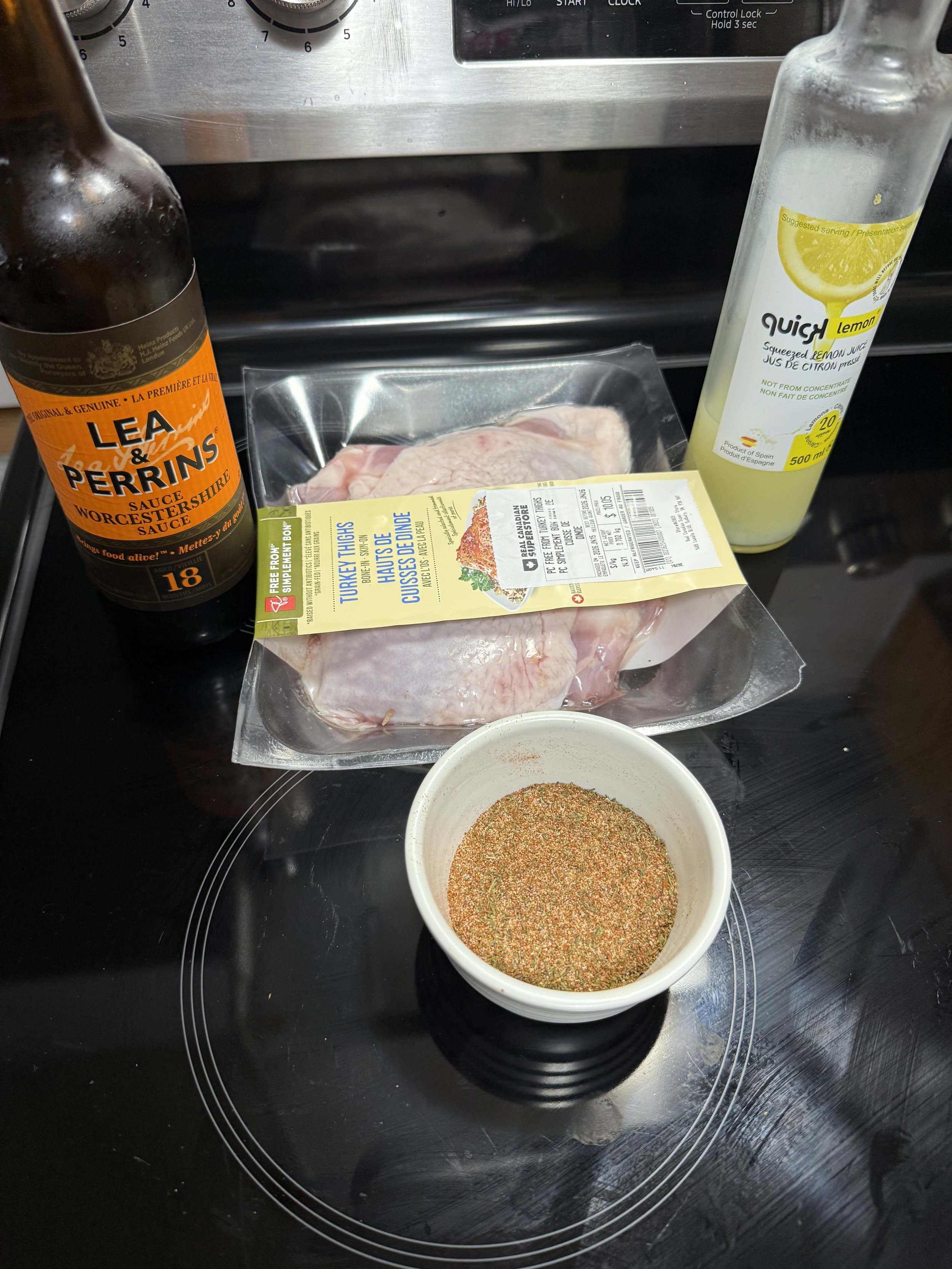
I came across turkey thighs and wings in the Real Canadian store and I just had to get them. The wings are what caught my attention first, reminding me of the absolutely mind-blowingly delicious deep fried turkey wings my sister introduced me to, from a West African joint in Buckingham. Before eating them, I wasn't sure what to expect, as I've always deemed turkey meat to be firmer/tougher than chicken, especially the skin. My sister would FaceTime me while demolishing a humongous turkey wing, constantly going on about how delicious it was, so the next time I visited her, I made sure she got me some, and all i’ll say is: wow! So, when I saw these wings and thighs, though they were not on my weekly shopping list, I did not even hesitate to grab them.
Turkey is packed with protein, often providing slightly more protein per serving than chicken, depending on the cut. It's also a good source of nutrients like zinc, selenium and vitamin B12. As someone who's on a body recomposition journey in the gym (more on that in a separate blog post), I'm always on the lookout for healthy ways to increase my daily protein and nutritional intake without relying too much on supplements. I whipped up this recipe using ingredients that have become a favourite in my household, because of the flavour bomb they create when mixed together. Instead of buying Cajun seasoning from the supermarket, I decided to make my own Cajun-style seasoning (with a minor twist) to suit the flavour profile that I was after.
I intentionally used lemon and Worcestershire sauce and let my thighs soak in there for a little while because lemon contains citric acid which helps to denature proteins on the surface of the meat, allowing flavours from the marinade to cling better and enhancing the overall taste. It is absolutely perfect for turkey meat, which tends to have a firmer texture than chicken. Worcestershire sauce adds a boost of umami to your meat, making it more savoury, and its vinegar content can also aid in the tenderising process. Combining these prior to adding seasonings helps the meat absorb flavour more effectively. It's honestly been a game changer for me in all my cooking!
I must say, you want to be careful when cooking turkey meat, because overcooking can actually make it tough, since some cuts are lean. So, after heating your pan adequately, reduce the heat and keep an eye on it to ensure it doesn't overcook. Checking the temperature of the meat ensures it’s cooked to perfection. I know we’re all afraid of eating undercooked poultry and getting food poisoning!
Finally, I know there's a whole debate around washing raw meat because of the risk of spreading bacteria around the kitchen. Food safety experts generally advise against washing poultry for this reason. Personally, I still like to rinse my meat to remove that slimy surface you often find especially on poultry, excess blood and other fluids, or debris from the packaging, but if you do this, you also need to be meticulous about cleaning and disinfecting your sink, taps and any surrounding surfaces afterwards. Use soap and hot water to clean any surfaces and utensils that came into contact with the raw meat, and then follow on all surfaces with a disinfectant cleaner containing bleach. As always, do what you're comfortable with in your own kitchen 😬😂
Now, let's get into it.
Ingredients:
Two turkey thighs
2 tablespoons Worcestershire sauce
2 tablespoons lemon juice
½ teaspoon fine sea salt
2 tablespoons smoked paprika
1 teaspoon garlic powder
1 teaspoon onion powder
¼ teaspoon cayenne pepper
½ teaspoon black pepper
¾ teaspoon salt
1 teaspoon dried thyme
2 tablespoons olive oil (or other cooking oil of your choice); add more if needed
Method:
1. Thoroughly wash your turkey thighs and pat dry with a disposable paper towel. Place them in a large bowl, skin side down. It goes without saying, wash your hands after handling raw meat.
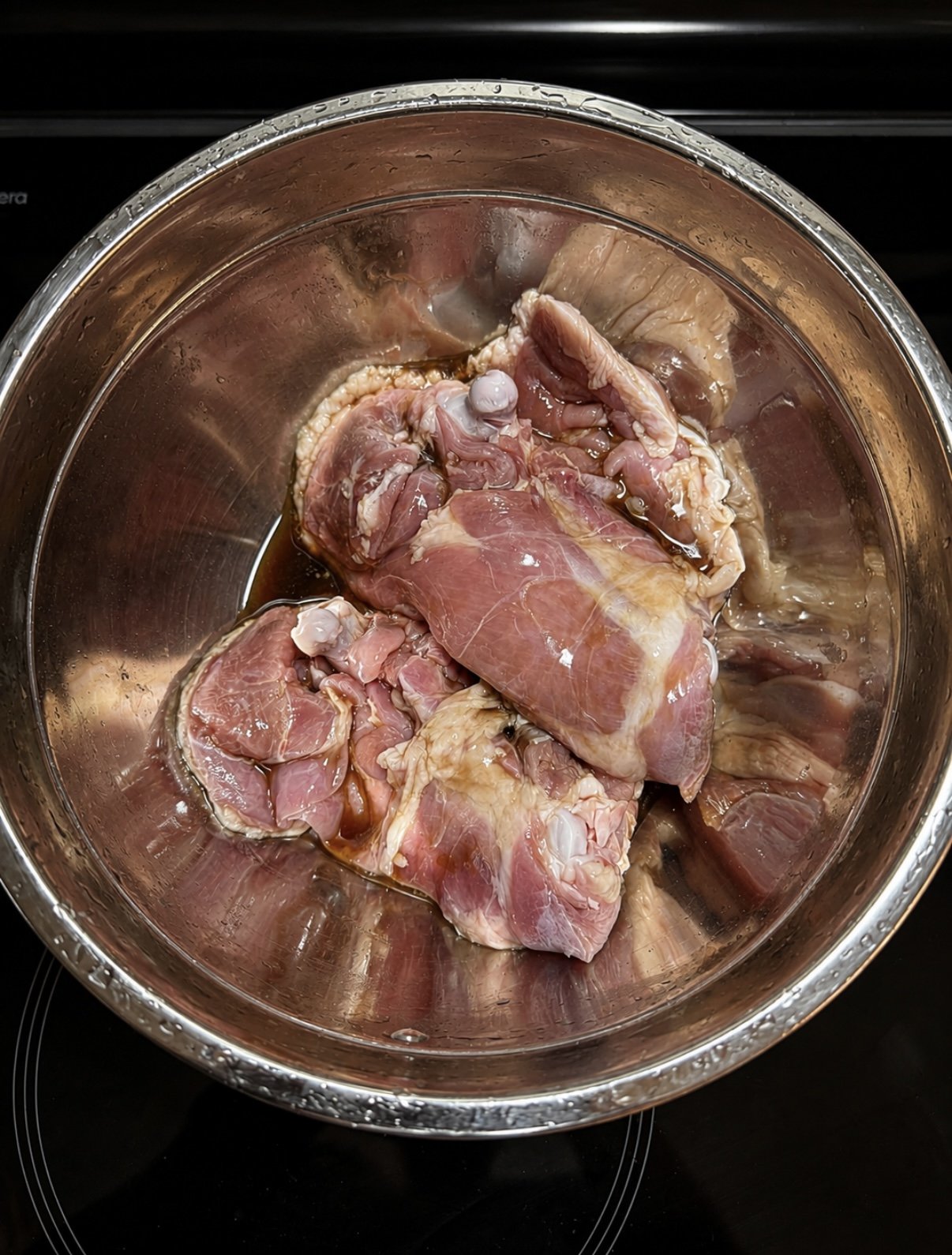
2. Add in your 2 tbsp lemon juice and 2 tbsp Worcestershire sauce and mix thoroughly. Once again, wash your hands afterwards. If you don't want to mix by hand, gently toss it around the bowl to mix it up. Cover with cling film and refrigerate for about 1 hour or so. If you don't have time to marinate, you can leave it for 5 minutes instead, and move on to step 3.
3. Mix all your dry ingredients together in a small bowl or ramekin.
4. Once your meat has marinated long enough, pour any excess liquid into a small bowl and set it aside. You might need it later.
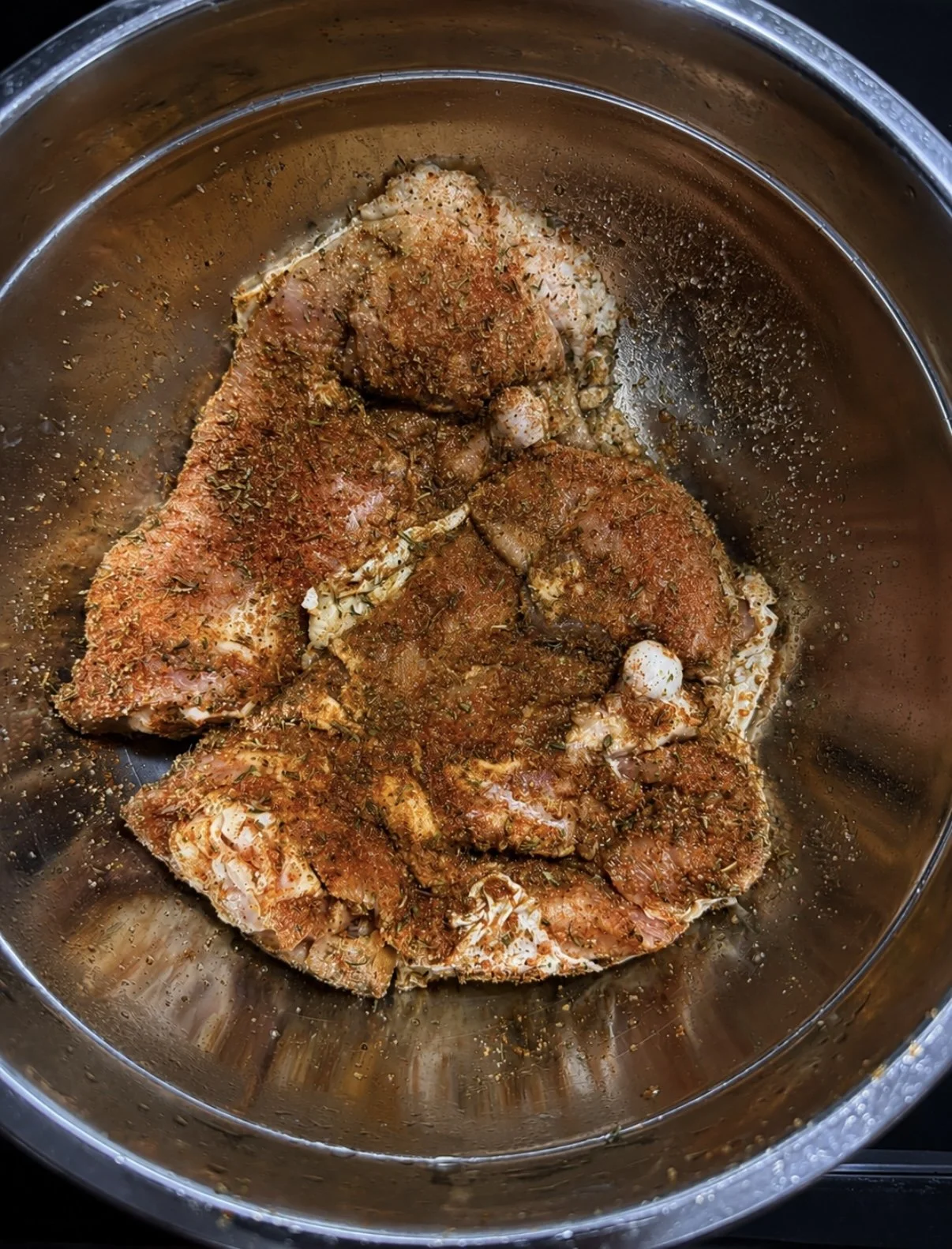
5. Slowly pour in your dry seasoning mix and use your hands to evenly coat each piece. Add more as you go, making sure it's perfectly coated to your liking. Having leftover seasoning is fine. At this point, you may pop it back in the fridge for these flavours to seep into the skin, otherwise proceed to step 6.
6. Heat up a stainless steel pan on high heat with NO OIL! After a few minutes, toss a tiny handful of water into the pan to see if the pan is hot enough. The pan is hot enough if the water forms a ball (or several small balls) that gently dances around. If the water is splattering about instead of forming solid little balls, let the pan heat up some more until another tiny handful of water forms those balls.
7. Once adequately heated, reduce the heat to medium-low and pour in your olive oil (or other cooking oil of your choice). Swirl it around to cover the entire base by moving your pan around. This should be quick and easy as the pan is super hot.
8. Grab one turkey thigh and shake it a bit to get rid of any excess liquid, then place it in the pan, skin side down. Do the same for the other thigh. It will be stuck but do not move it. Leave the skin to sear to perfection (about 10-15 minutes). The thigh should simply lift itself off the pan and the skin is nice, charred and crispy.
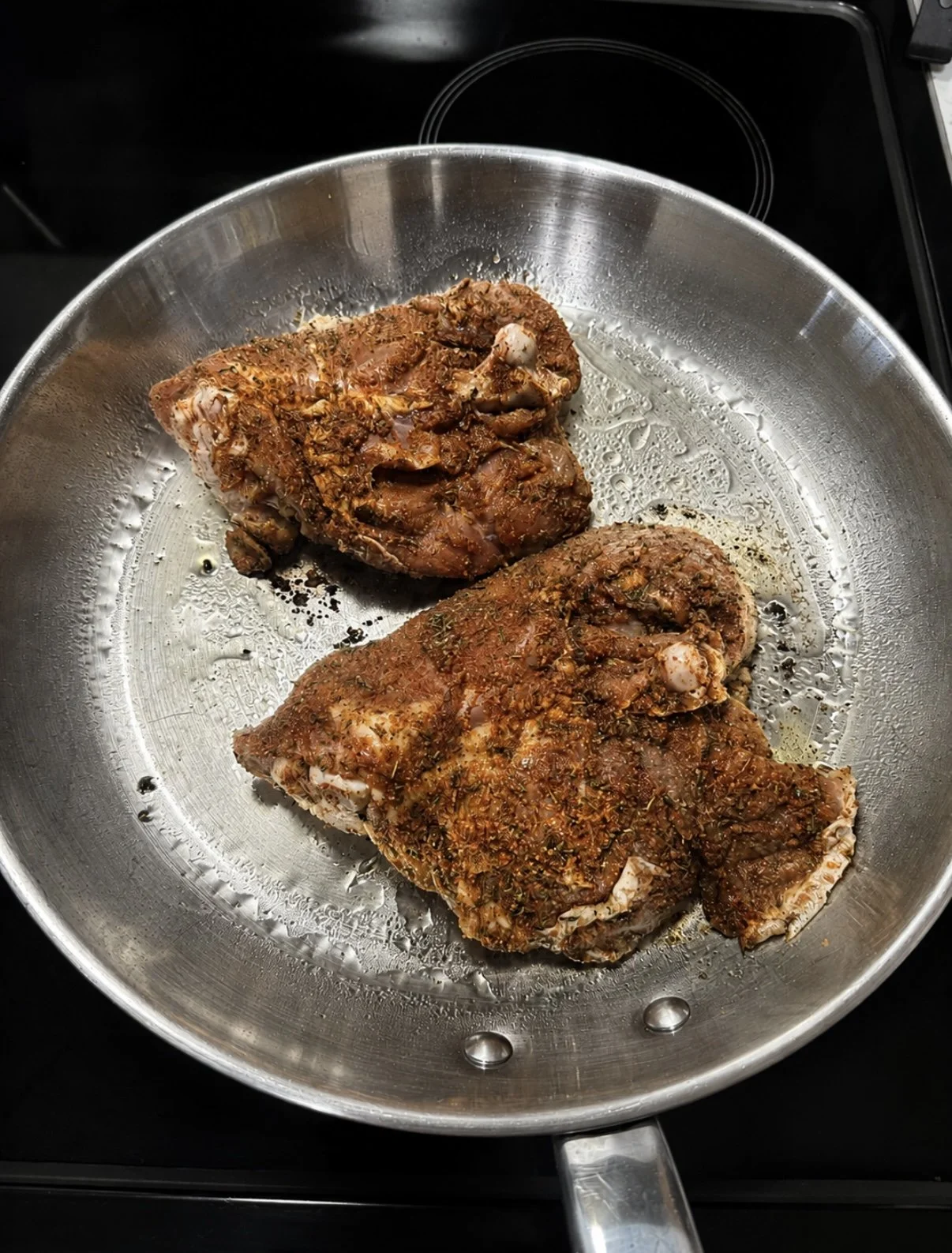
9. When the thighs are moving freely and no longer stuck to the pan, flip them over, flesh side down, and allow them to cook for a further 35 minutes. About 10 minutes into searing the other side, you may pour that lemon and Worcestershire sauce liquid that you previously set aside in a bowl. This is optional. You may also add in additional oil at this point, if needed. Cover the pan with a lid for the remaining 15 minutes.
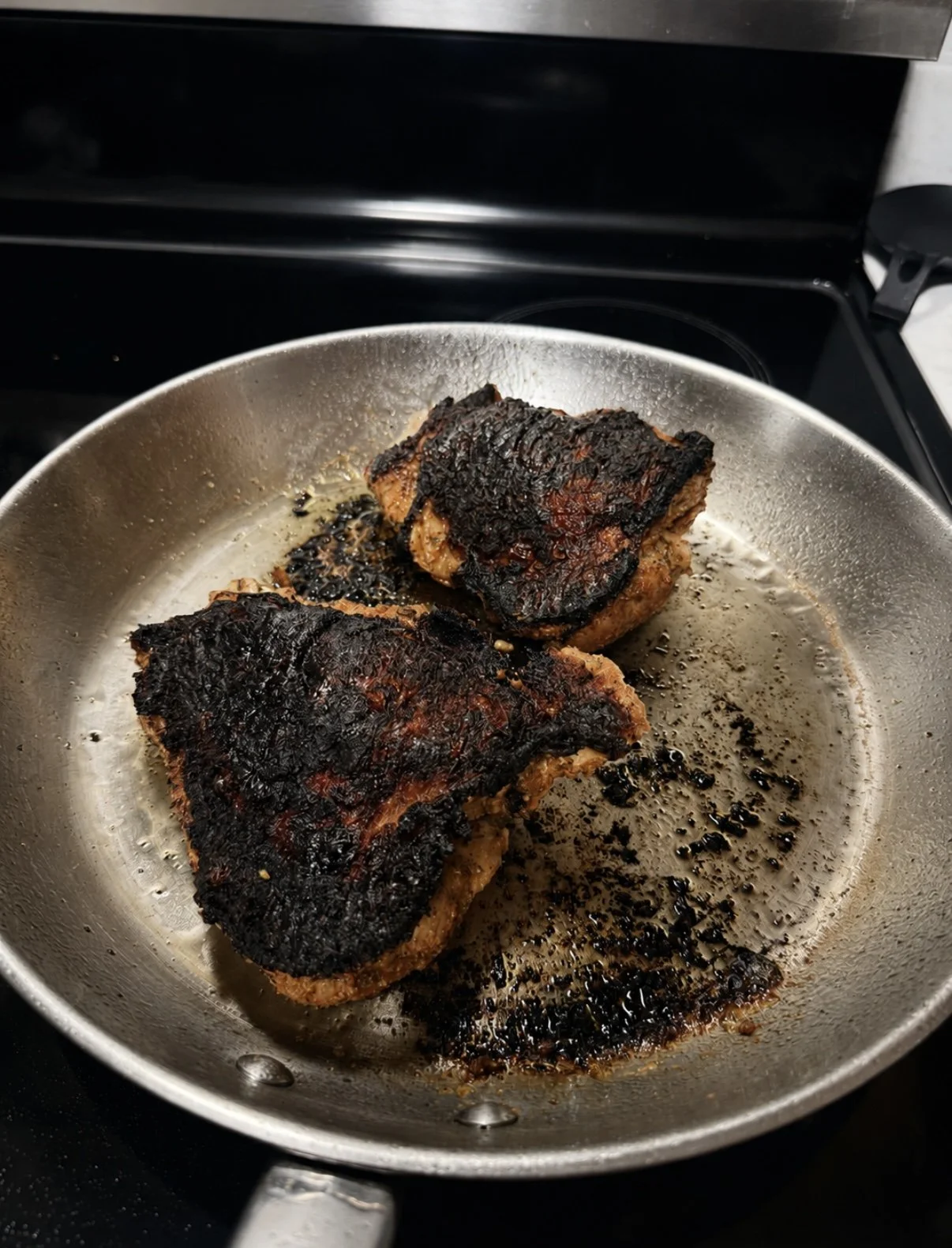
10. To know if your thighs are fully cooked through, use a probe thermometer to check that internal temperature is at least 74°C (165°F) at the fattest part of the thigh. Do this after about 20 minutes of cooking to avoid overcooking.
11. After that's done, turn off the heat and allow the thighs to rest. Serve with side dishes of your choice, and enjoy!
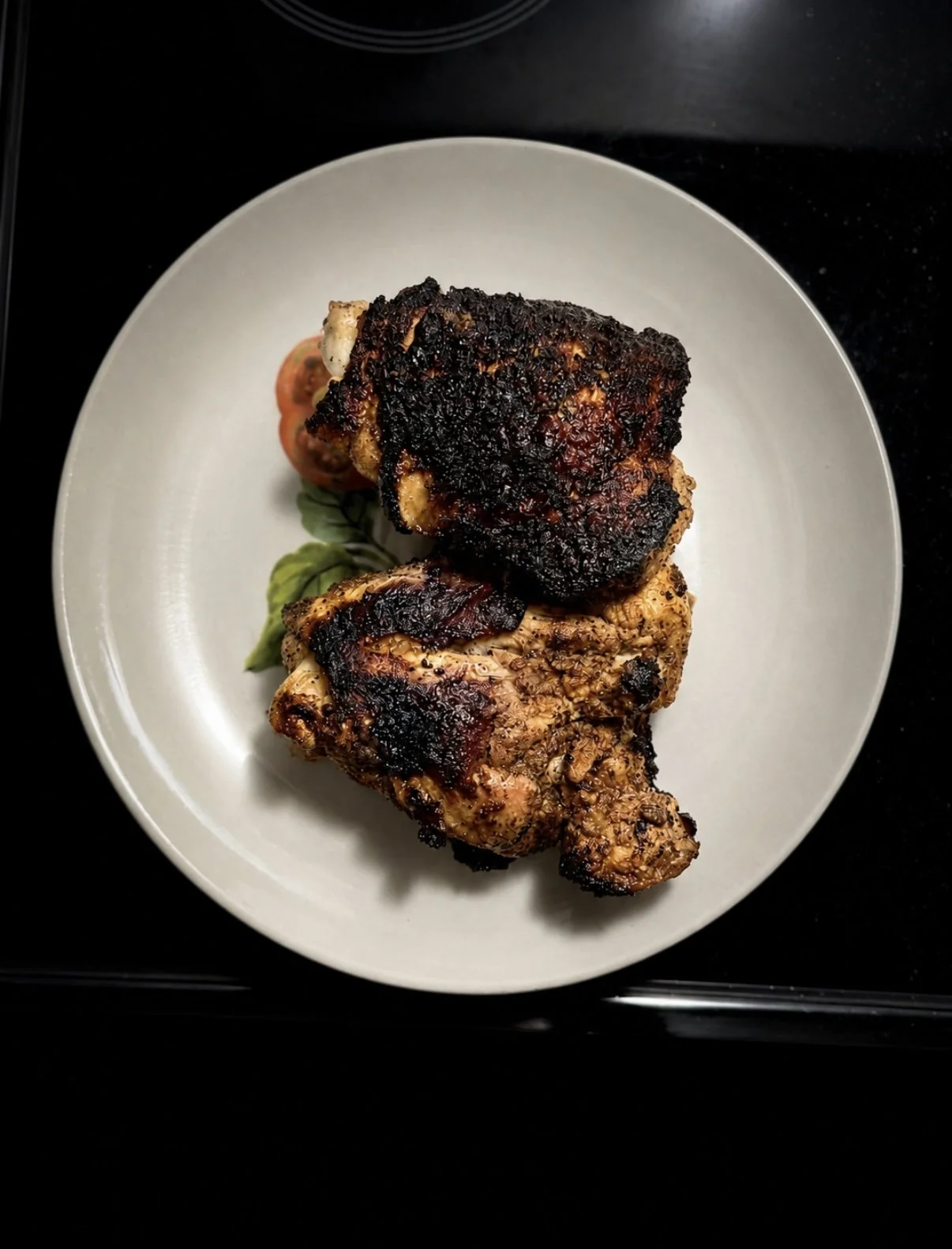
If you make this recipe, do drop me a comment to let me know how you found it! Check back on this website for more recipes.